



BLOwN Turbines links a wind turbine to battery storage and energy management
How do you put a wind turbine to work on a farm, a beach or a remote site? BLOwN Turbines from Sint-Annaland is testing a 20 kW system with a battery and smart energy management.
Read more at BLOwN Turbines
Location
KAAP Vlissingen
Period
Ongoing
Lead
BLOwN Turbines en Impuls Zeeland
13
generations tested
7
pilot customers
12
demonstrations at events
Who the system is for
The 20 kW system is meant for farms that want to store rainwater in a basin during the winter months, for companies that want to combine an extra energy source with promotion, and for remote sites that generate too little energy in winter and still add a generator today. Interest is also growing in using it to make the energy supply more reliable. During a power cut, the turbine can serve as backup power together with solar panels and a battery, so kettles, phone chargers, lighting and batteries keep working.
How the turbine works
BLOwN turbines work on the principle of sailing. The wings find the best angle to the wind and therefore generate a lot of energy at a low rotation speed, a combination that is unique for this type of turbine. Because the wings stand upright, like a windsurf sail, the turbines are much lower than ordinary wind turbines. And because the system can be moved and is not fixed to the ground, no permit is needed. The 20 kW system sits between the mobile 5 kW models and the 75 kW BLOwN Turbine.
Where it stands now
The system has been tested and improved over thirteen generations. Seven pilot customers tested it, after which it was improved again. Four strategic customers signed a letter of intent for using the turbines once they are fully developed, and scale models have been demonstrated at twelve events. BLOwN works with KIES of Impuls Zeeland, Energiecoöperatie TholenSolar, Berko Compressoren, De Koeijer Roegier, Stichting Strandexploitatie Veere, Proefboerderij de Rusthoeve and De Zeeuwse Mossel.
What it delivers
How much CO₂ a turbine saves depends on the type and how it is used. At an average of 200 W/m², a 20 kW turbine saves about 8,000 kg a year. With regular maintenance the turbine stays in service, saving around 240 tonnes of CO₂ over thirty years. Because the patented technology is interesting far beyond the Netherlands, BLOwN sees opportunities for high-quality jobs: production lines in other countries, monitoring and analysis of installed turbines, production of spare parts, training installers and contract management.
What is tested at KAAP
Bij KAAP is een kleiner prototype getest en gedemonstreerd, met simulatiesoftware en een testbank. Daarbij is de windrotor opgeschaald naar 10 kW en is een ontwerp gemaakt voor een generator van 20 kW.
Images of this activity
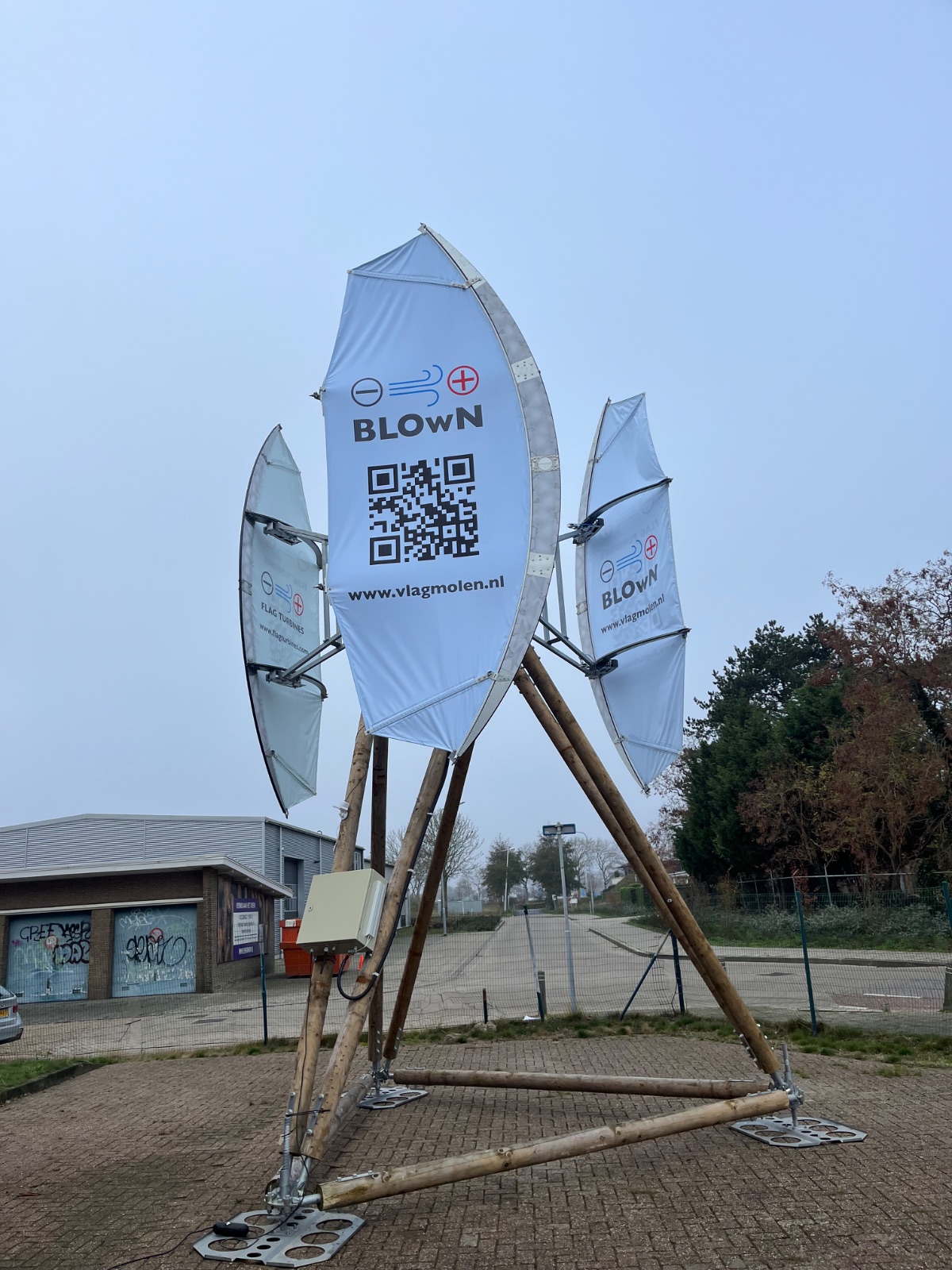
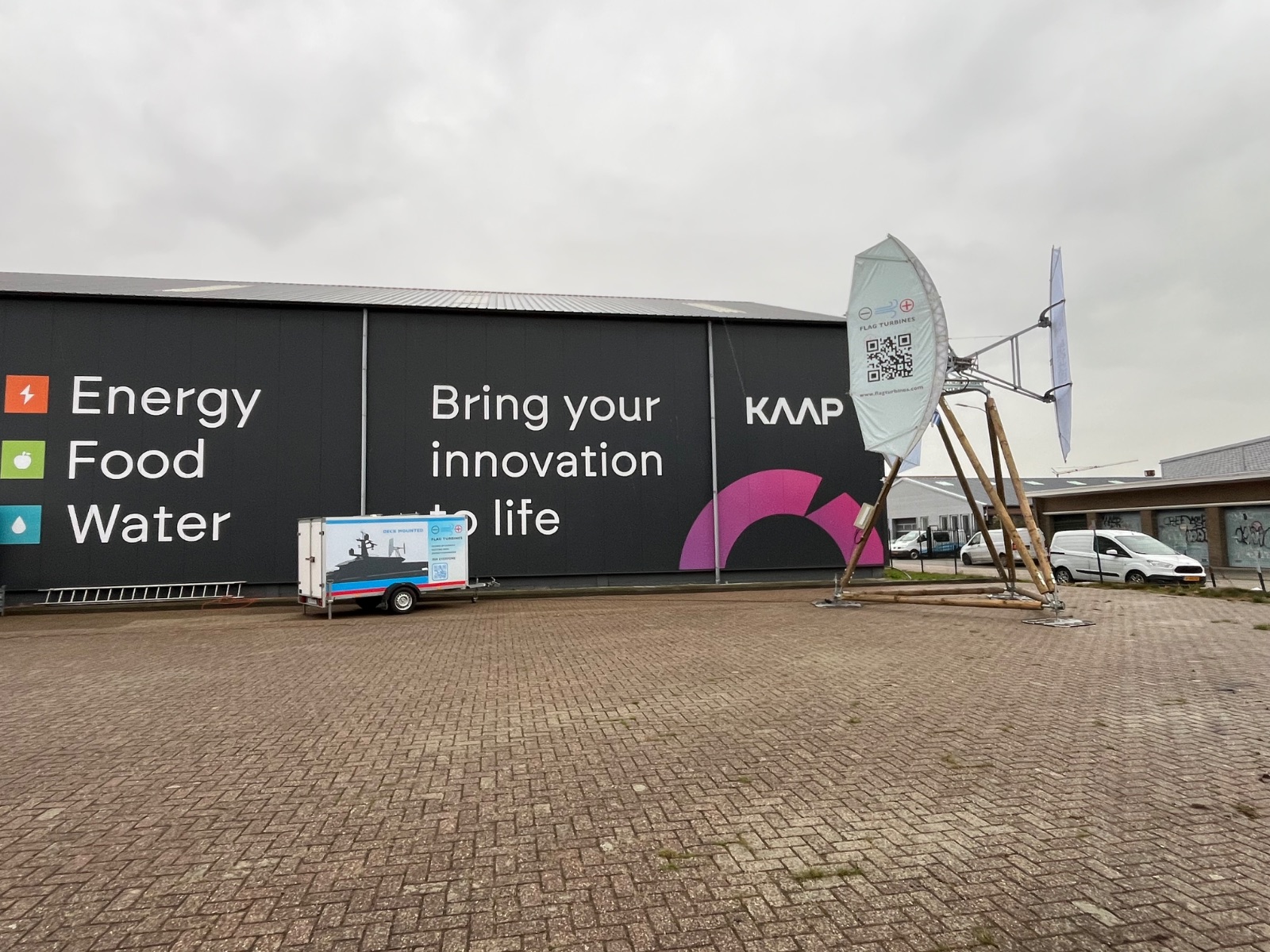
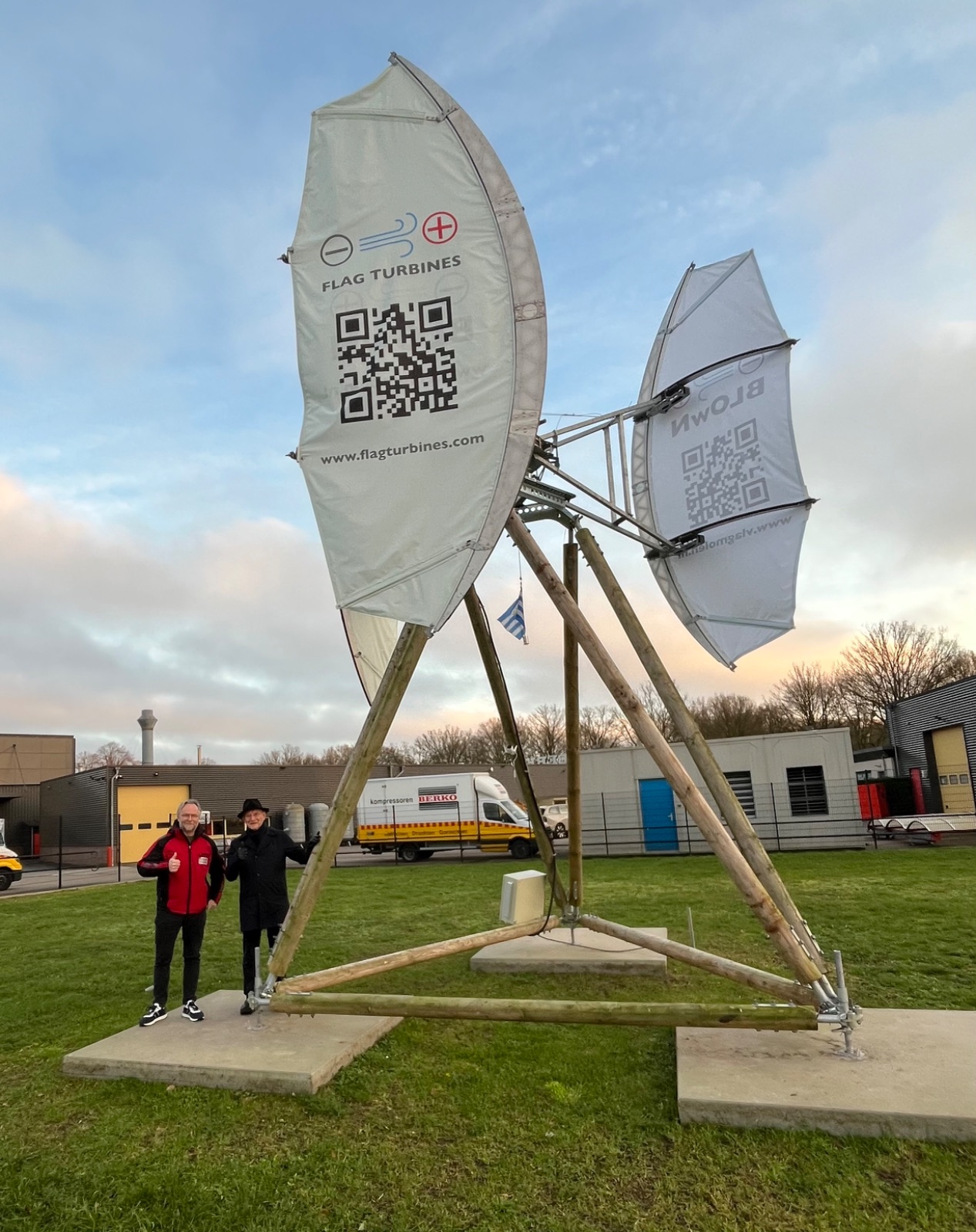
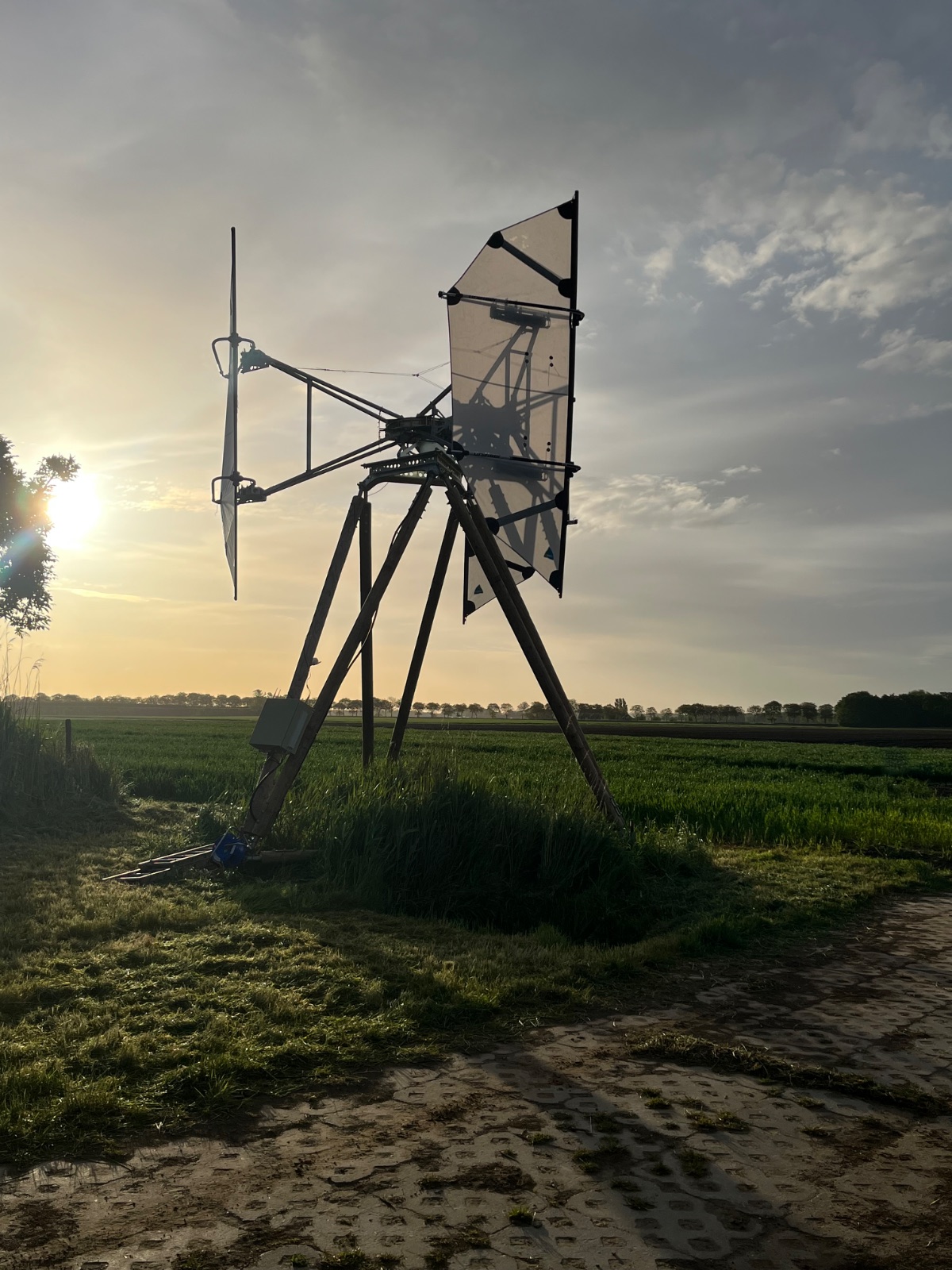
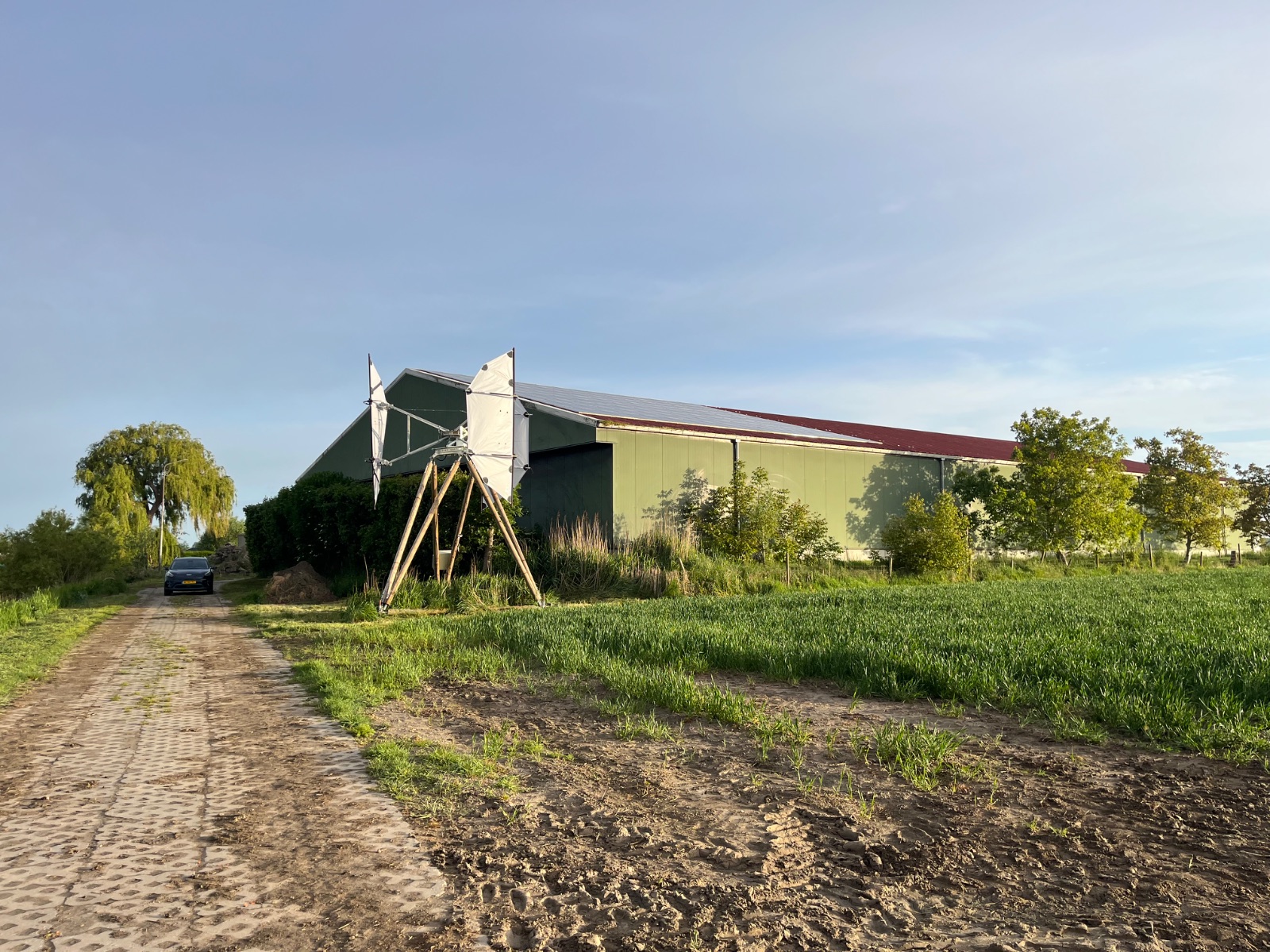
At the Kenniswerf the turbine can be connected to the battery and the smart energy management system. It is also a great place to demonstrate to the visitors who come by regularly.

More activities
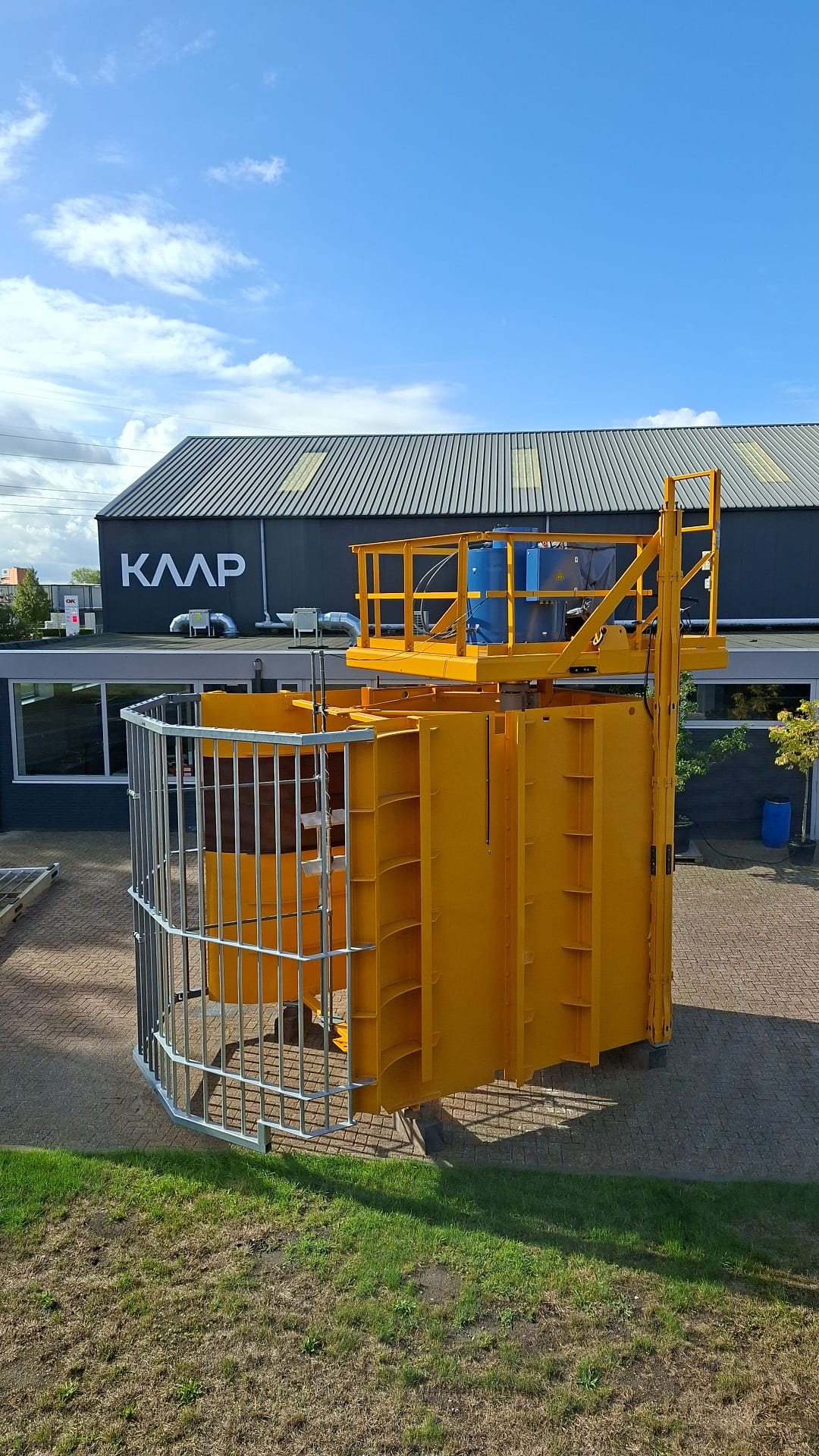
Tidal turbine at the Vlissingen locks
Water2Energy is building an improved tidal turbine at the culvert next to the Vlissingen locks, with blade control that raises the yield considerably.
View activity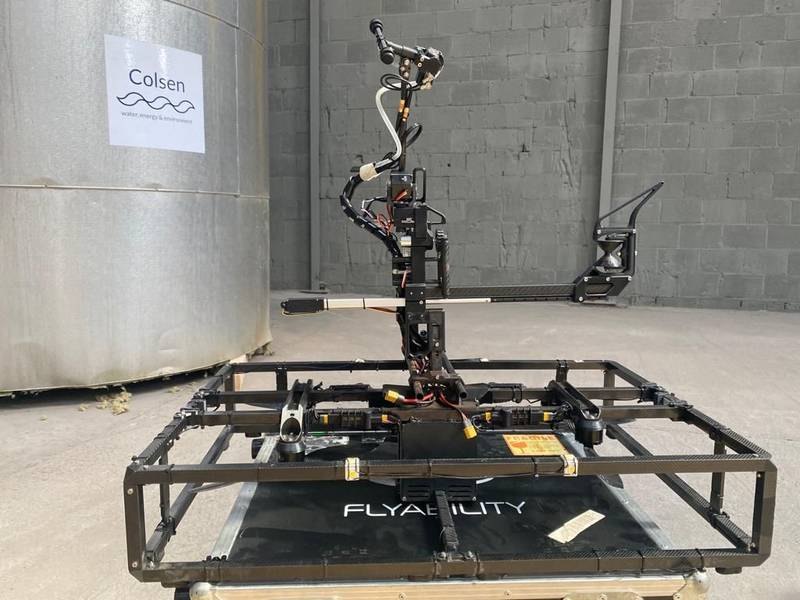
Testing and demonstrating inspection drones
Terra Inspectioneering builds drones that inspect storage tanks, chimneys and bridges from the inside, so nobody has to climb to height. In the development and demo space at KAAP they test new technology, show it to clients and train their pilots.
View activity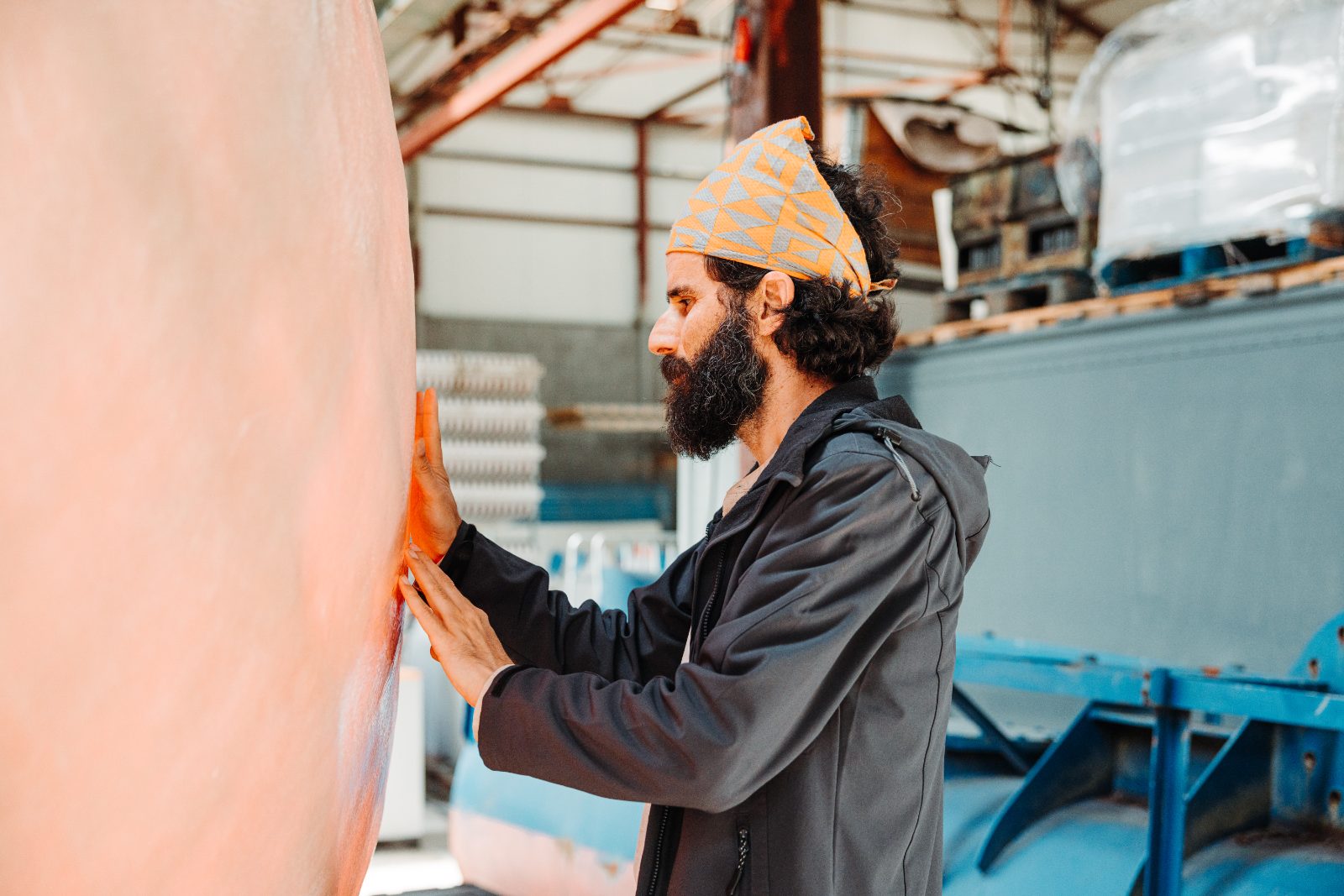
EGG, an egg that opens the conversation about transition
Studio Puck van Dijk built and tested a 4.5 metre high interactive artwork at KAAP. EGG responds to touch, sound and movement and stands in three places in Vlissingen this autumn, to talk with residents about the changes around them.
View activity
Elma
Coordinator KAAP
Join in
Working on something similar?
Then there is probably a spot for it here. Tell me what you want to test and we will look at what you need.