


Recycling ships with robots
Can ship recycling be safe, clean and competitive in Europe? In Vlissingen, Green Mac is working on the first autonomous ship recycling yard in the EU.
Read more at Green Mac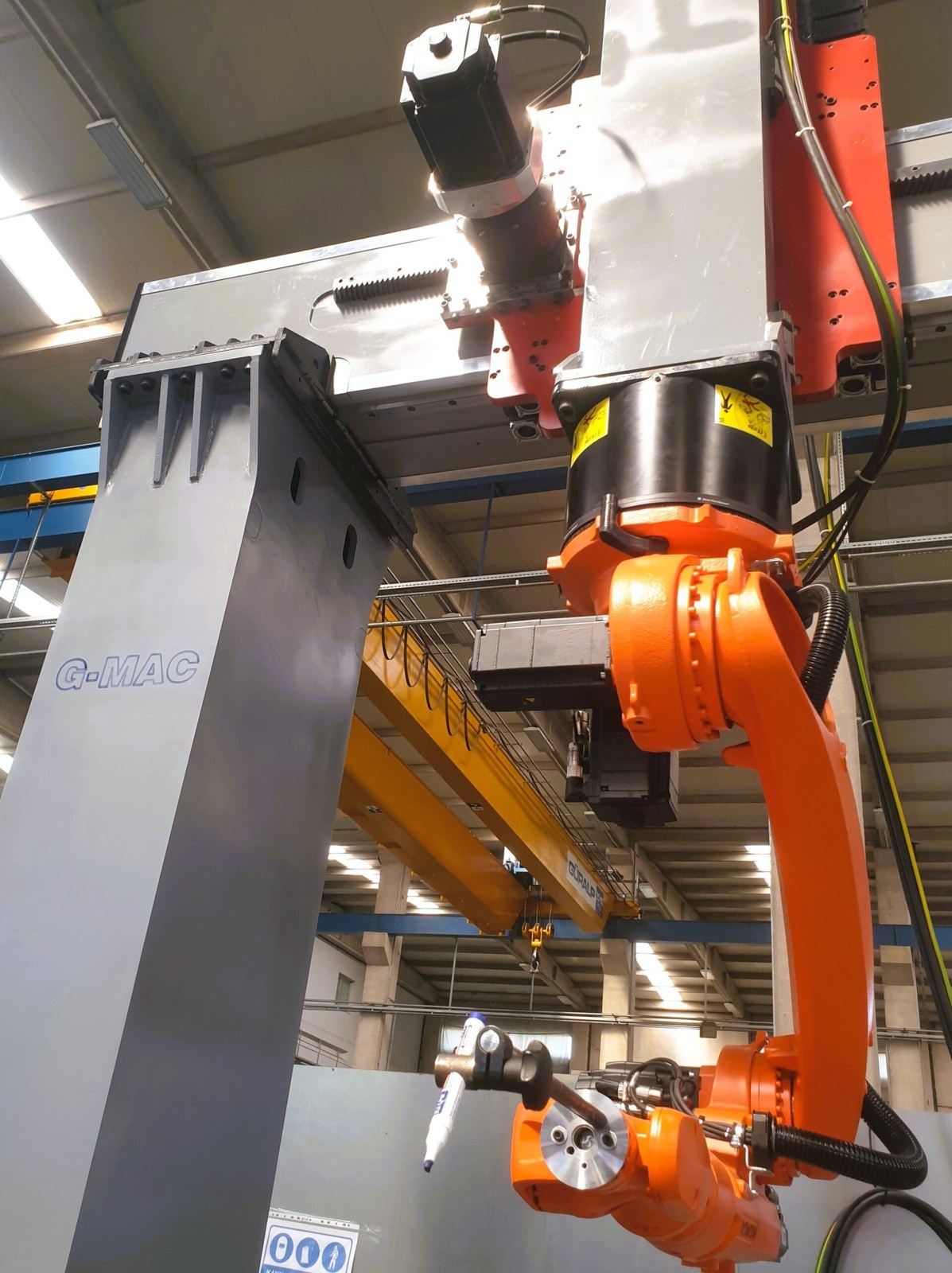
Location
Vlissingen
Period
Ongoing
Lead
Green Mac
360.000 ton
ship steel a year at full capacity
540.000 ton
less CO₂ a year at full capacity
61%
lower emissions from the recycling itself
What it is about
Ship recycling is still mostly manual work, and that work is dangerous and labour-intensive. With high labour costs it is not competitive in Europe. As a result, most end-of-life ships are dismantled where safety and environmental standards are low, and their valuable steel leaves Europe.
What Green Mac does
Green Mac automates cutting and dismantling with industrial robots, sensors and its own control software. This makes ship recycling safe, clean and competitive in Europe. The systems are deployed and leased directly at recycling yards. They are meant for ship owners who must recycle EU-flagged ships at approved yards, for recycling yards, for the steel industry, which gets high-quality scrap in return, and for the people who still do this dangerous work today.
Where it stands now
Green Mac was founded in Vlissingen in 2025 and has been built entirely on its own resources, without grants or subsidies. The technology is developed together with The Hague University of Applied Sciences and Rotterdam University of Applied Sciences. The company was selected for the KVK Innovatie Top 100 of 2026. The first shipyard trials in Vlissingen are planned for the first quarter of 2027, and within about two years Green Mac aims to have the first autonomous ship recycling yard in the EU.
What it delivers
Every end-of-life ship becomes a source of low-carbon steel. At full capacity Green Mac aims to cut 30,000 tonnes of ship steel a month, 360,000 tonnes a year. Every tonne that goes back into steelmaking avoids about 1.5 tonnes of CO₂ compared to new steel from iron ore (source: worldsteel). That is around 540,000 tonnes of CO₂ a year. The robotic process also cuts the emissions of the recycling itself by 61 percent, from 4.9 to 1.9 kg of CO₂ per tonne, and Green Mac is working to bring that last 1.9 kg to zero with renewable electricity. For Zeeland it means a new circular industry in the maritime and port cluster, steel that stays in Europe and new high-tech jobs in robotics, software and ship recycling.
What is tested at KAAP
Bij KAAP worden alle software en een deel van de hardware getest. De besturingssoftware van de robots, de sensoren en de snijhardware worden hier getest en gevalideerd voordat ze naar de werf gaan.
Images of this activity
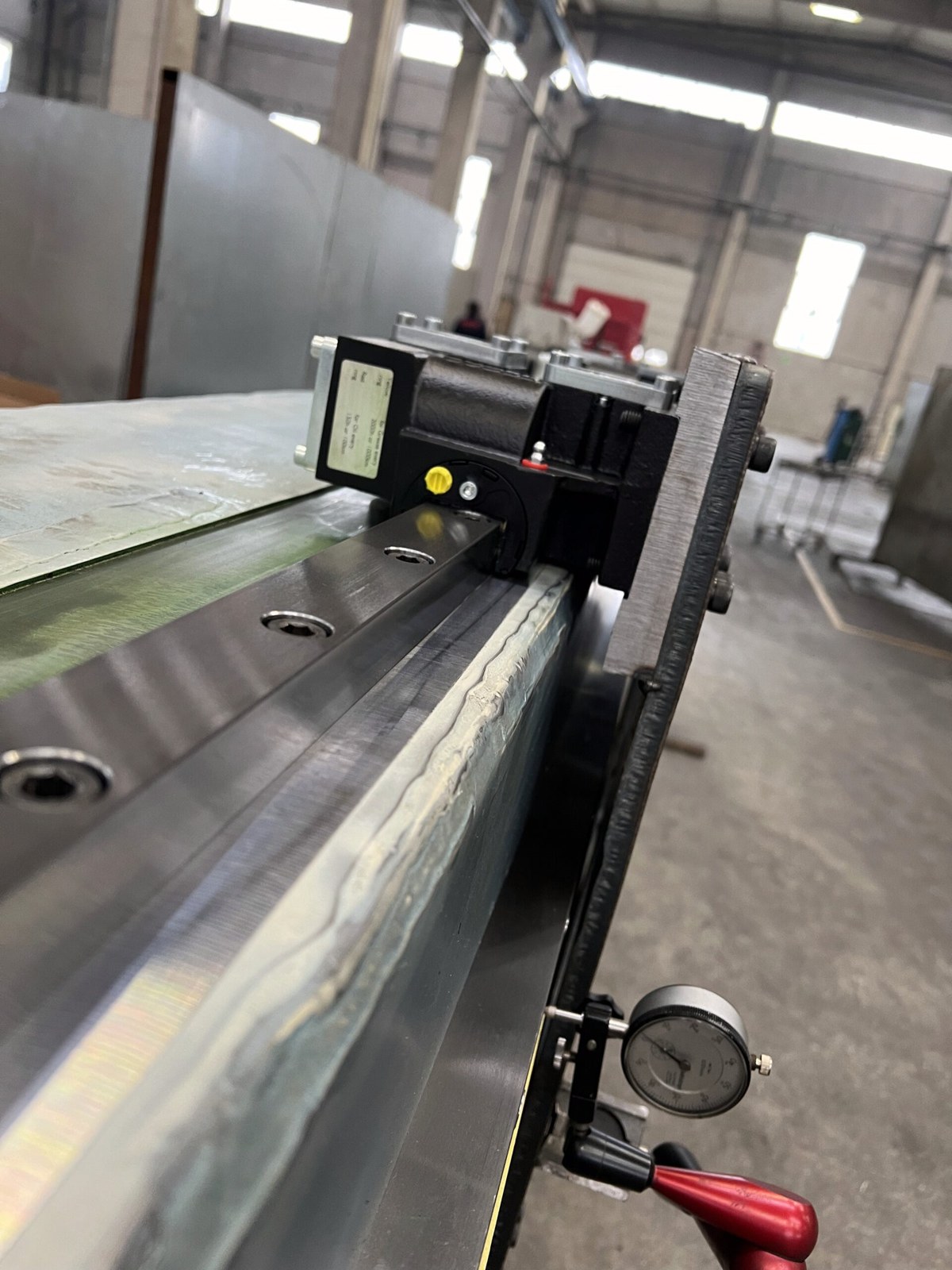
We are turning ship recycling from dangerous manual labour into a safe, autonomous and circular industrial process. We are starting from Vlissingen, and doing it entirely on our own resources.
More activities
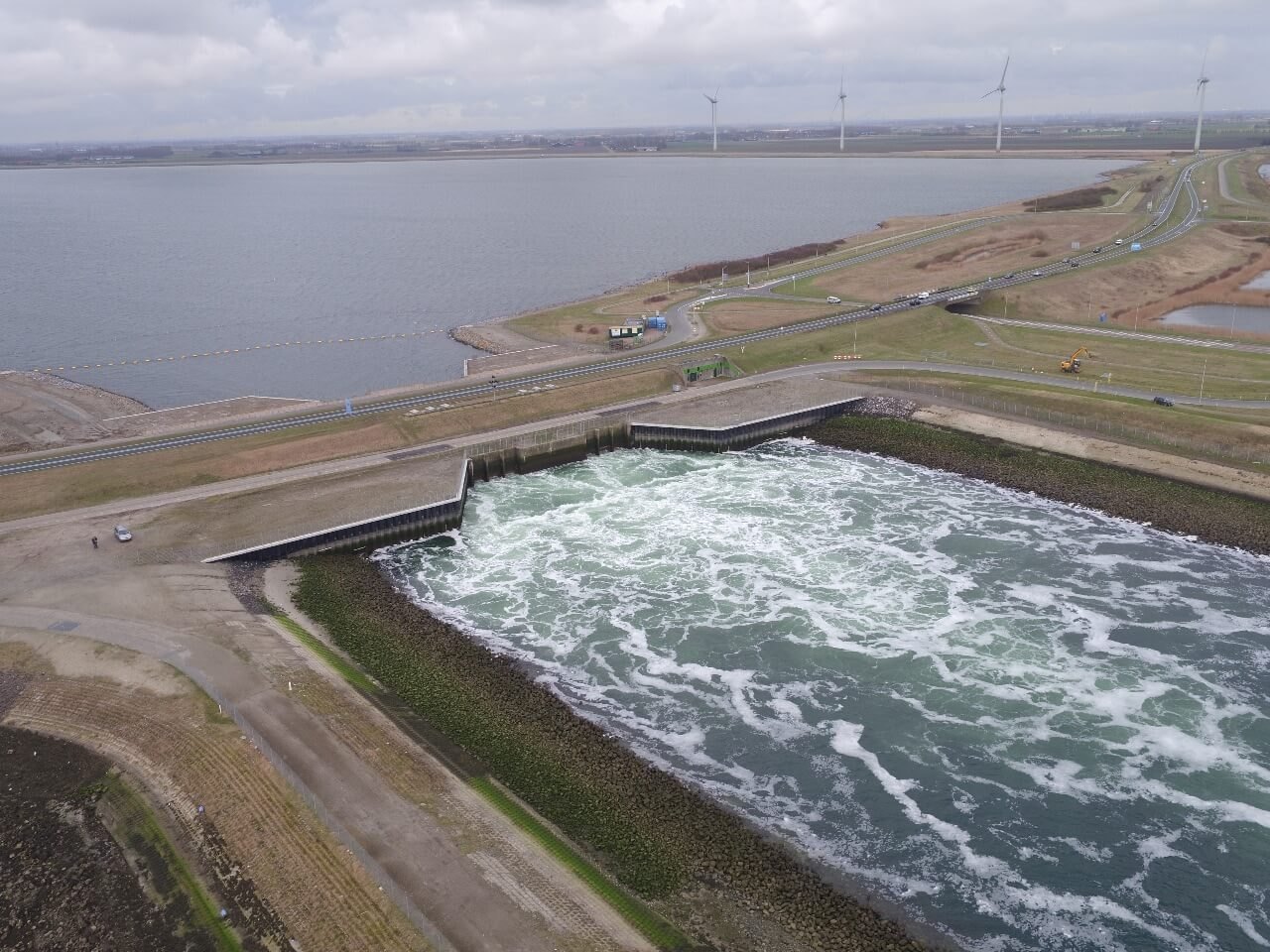
Developing tidal turbines further at KAAP
Tech company specialising in tidal flow and green electricity from water.
View activity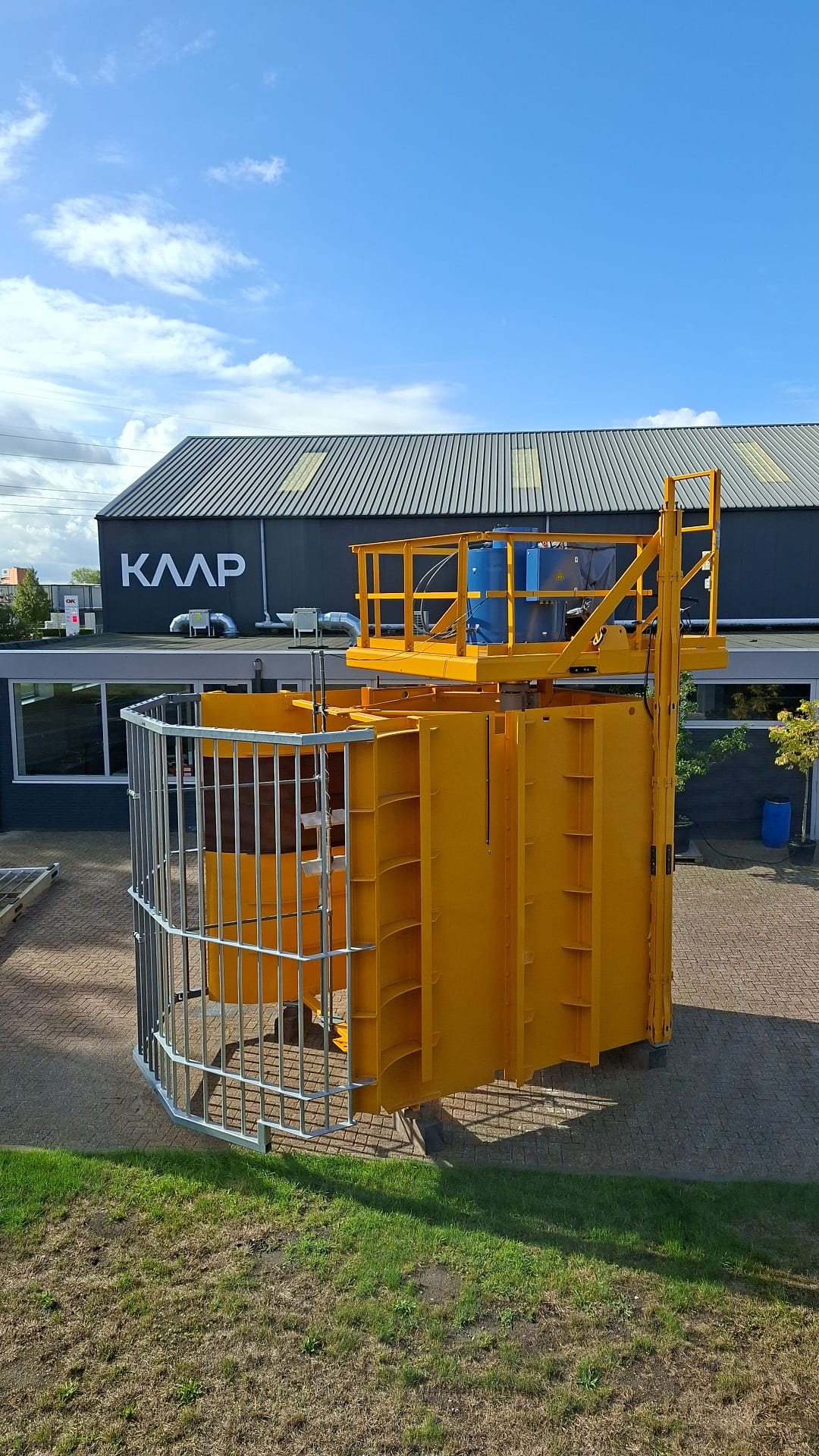
Tidal turbine at the Vlissingen locks
Water2Energy is building an improved tidal turbine at the culvert next to the Vlissingen locks, with blade control that raises the yield considerably.
View activity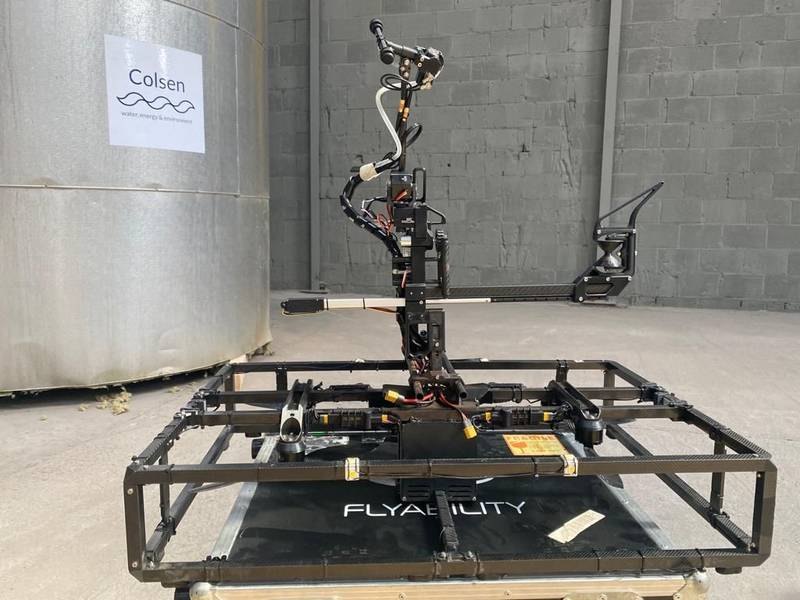
Testing and demonstrating inspection drones
Terra Inspectioneering builds drones that inspect storage tanks, chimneys and bridges from the inside, so nobody has to climb to height. In the development and demo space at KAAP they test new technology, show it to clients and train their pilots.
View activity
Elma
Coordinator KAAP
Join in
Working on something similar?
Then there is probably a spot for it here. Tell me what you want to test and we will look at what you need.